
Heat vs Cold Therapy: Which One Should You Use?
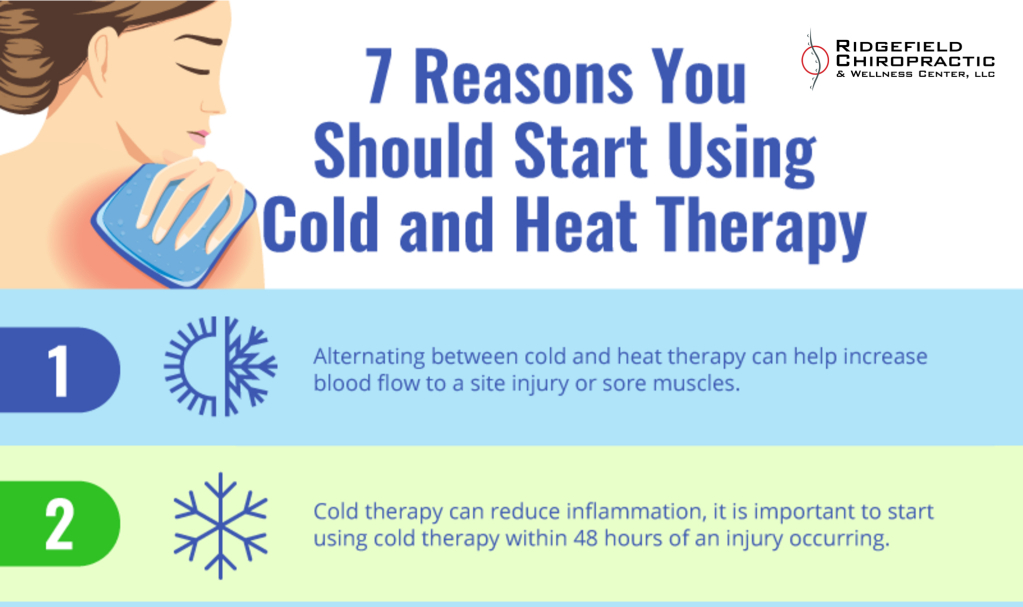
Cold and heat therapy benefits depend on the type of pain or injury you are dealing with. Heat therapy is best used for tight muscles, stiffness, and chronic pain because it increases blood flow and helps muscles relax. Cold therapy, on the other hand, works best for swelling, inflammation, and recent injuries by reducing blood flow and numbing pain. Understanding when to use heat versus cold therapy can help prevent further injury and speed up recovery. Many people make the mistake of using heat on fresh injuries, which can increase swelling. This is why professional guidance is important when choosing the right therapy for your condition.
Heat therapy is commonly used before physical activity or stretching to loosen muscles and joints. It helps improve flexibility and reduces stiffness, making movement easier. Cold therapy is usually recommended after workouts or injuries to reduce soreness and inflammation. Using the correct therapy at the right time can make a significant difference in how quickly your body heals.
Cold and Heat Therapy for Injury Recovery
Cold and heat therapy benefits play an important role in injury recovery therapy. Cold therapy is often used immediately after injuries such as sprains, strains, or muscle pulls. It helps control swelling, reduce pain, and limit tissue damage during the early stages of healing.
As healing progresses, heat therapy can be introduced to restore movement, improve flexibility, and reduce stiffness. Heat helps increase blood circulation, which delivers oxygen and nutrients to injured tissues. This process supports natural healing and reduces muscle tightness.
When used correctly, hot and cold therapy for pain can shorten recovery time and help the body heal naturally without relying only on medication. Alternating between heat and cold, also known as contrast therapy, is sometimes recommended to improve circulation and support faster recovery.
Chiropractic Heat and Cold Therapy
Chiropractic heat and cold therapy is often used alongside spinal adjustments and soft tissue treatments. Chiropractors assess your condition and recommend when to use heat or cold based on your pain level, injury type, and recovery stage. This personalized approach ensures that therapy is safe and effective.
Chiropractic care focuses on treating the root cause of pain rather than just the symptoms. Heat and cold therapy are used to prepare muscles for adjustments or to reduce inflammation afterward. This combination helps improve results and reduces the risk of re-injury.
At Ridgefield Chiropractic, patients are guided on how to safely use cold and heat therapy at home to maximize pain relief and support long-term healing. Proper instructions on timing, duration, and frequency help prevent common mistakes that can slow recovery.
When to Talk to a Chiropractor
If pain, stiffness, or swelling does not improve with home care, it may be time to consult a chiropractor. Ongoing pain may be a sign of an underlying issue that requires professional treatment. Chiropractic care ensures that heat and cold therapy are used correctly and combined with other treatments to address the root cause of pain.
A chiropractor can also help create a personalized recovery plan that includes exercise, posture correction, and lifestyle advice. This holistic approach supports long-term health and reduces the chance of recurring injuries.
Why Both Heat and Cold Therapy Matter
Cold and heat therapy benefits include pain relief, reduced inflammation, improved circulation, and faster recovery from injuries or muscle strain. Heat feels much better than cold or ice, and given the choice, most people prefer heat therapy. However, both are essential in helping your body heal injuries and recover from hard workouts.
Using heat and cold therapy correctly can improve daily comfort, enhance recovery, and support overall wellness. Knowing when and how to apply each therapy can make a major difference in your healing process.